Useful systems, shared responsibilities.
Marine energy, freshwater production and thermal systems invite questions about reliability, maintenance and effects on nearby life.
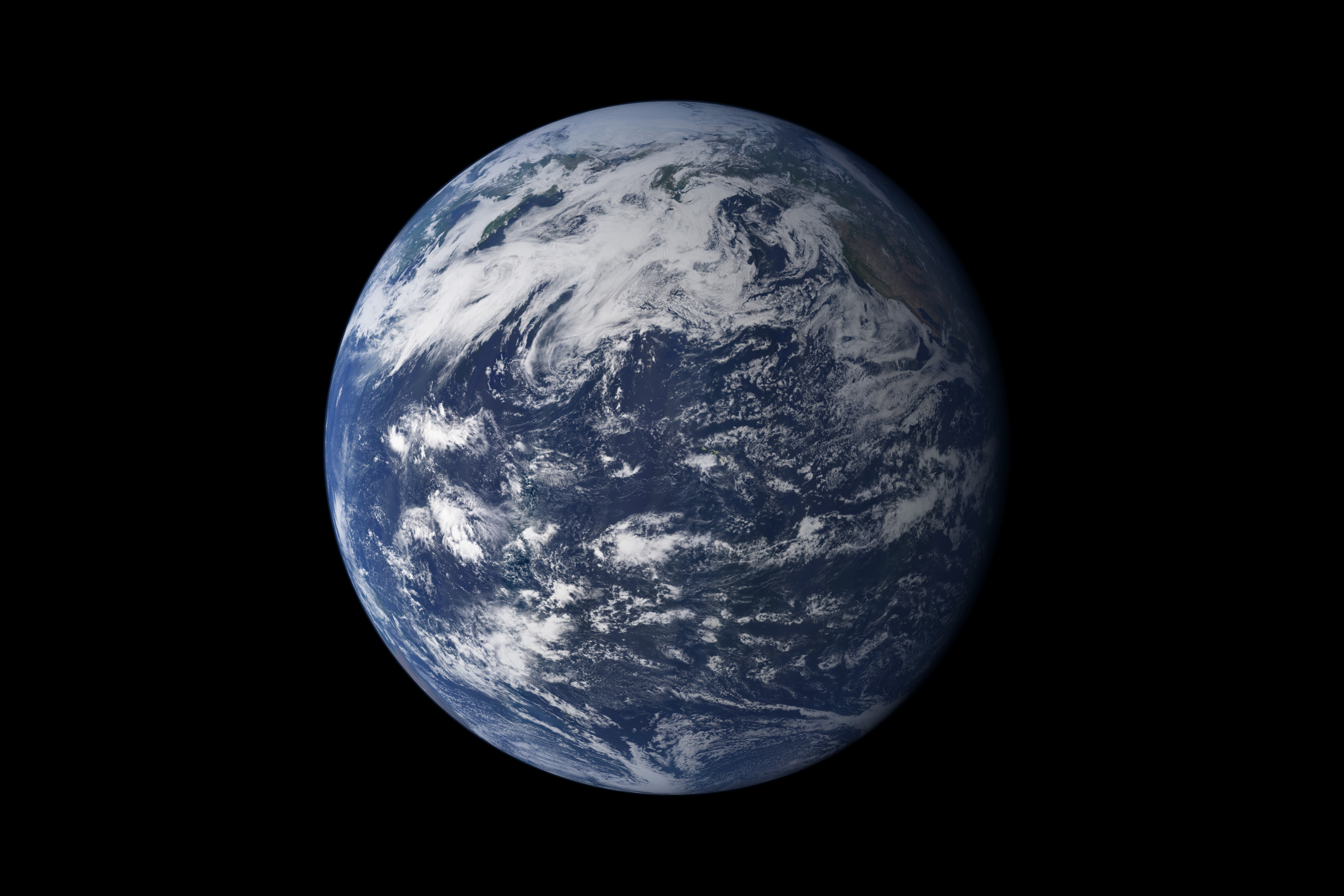
What might humanity do above, at and below the waterline—and what should we think through before we begin?
Open the notebookIdeas to examine. Questions to preserve. Room to change our minds.
We usually describe places in acres. Ocean Volume asks us to think in layers, connections and responsibilities. Space that appears empty may already be a habitat, a migration route or someone’s livelihood.
Energy, gardens, observation, recreation and places to live could share the space above the water. Their needs would extend far below what we can see.
How would everyday activity affect the living water underneath?
A way to organize questions, not an engineered design. Each setting needs its own ecological, technical and human assessment.
Start writing down the questions before we draw the answers. These are the first entries in a notebook intended to grow.
The ocean already supports life. Development should begin with understanding what is there, what depends on it and what disturbance would change.
Power, water, waste, communications and maintenance belong in the earliest conversations.
Clean drawings eventually meet messy life. Planning must account for the people who actually occupy, operate and maintain a place.
Fire, flooding, storms, collision, medical emergencies and loss of power should shape a proposal from the beginning.
Before treating ocean space as property, ask how existing rights, public interests and ecological responsibilities would be respected.
A structure may outlive its owner, purpose or funding. Its removal should never become someone else’s surprise.
Marine energy, freshwater production and thermal systems invite questions about reliability, maintenance and effects on nearby life.
Aquaculture, marine cultivation and habitat restoration belong in a conversation about carrying capacity and healthy ecosystems.
Transport, accessibility, observation spaces and future habitation require attention to ordinary routines as well as extraordinary emergencies.
These are areas for inquiry. Feasibility and benefit must be demonstrated, not assumed.
How much water would ocean development displace, individually and collectively? Could it change water levels, currents, tides or flood risk nearby?
Content to follow as this notebook grows.
From America’s wagon trains to expanding cities around the world, people have often built first and dealt with the consequences later. Waste, congestion, damaged habitats and difficult repairs have followed us into the places we call home.
Ocean Volume asks a simple question: how much of that can we avoid learning twice?
Someday, someone may step into an elevator above the ocean and press the button for floor −30. Long before that happens, we need our ducks in a row: clean water, dependable utilities, safe ways out, workable rules and a plan for what happens when something is neglected or abandoned.
This notebook is a place to collect those questions early. The goal is to help future generations build thoughtfully, protect the living ocean and leave room to correct what we get wrong.
For now, Ocean Volume begins with these ideas and questions. Public contributions and ways to support the archive may come later.
Return to the questionsComing soon.